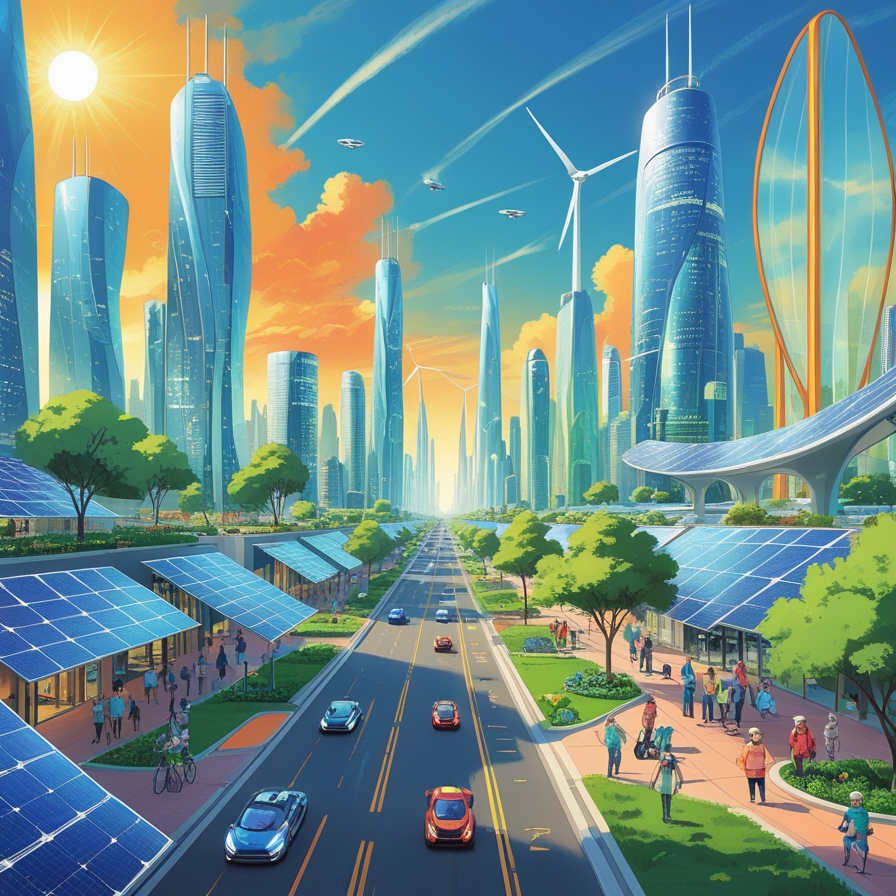
The Future of Solar Energy in India
Introduction
The future of solar energy in India represents a transformative shift in the country’s energy landscape, promising both economic and environmental benefits. As one of the world’s fastest-growing economies, India faces increasing energy demands alongside a commitment to sustainable development. Solar energy has emerged as a viable solution to meet these demands while reducing reliance on fossil fuels and curbing greenhouse gas emissions. This article explores the evolving solar energy sector in India, highlighting key trends, technological advancements, policy frameworks, and the potential impact on the nation's economy and environment.
The Growing Importance of Solar Energy
Solar energy has gained significant traction in India due to its abundant availability and potential to drive sustainable growth. India, blessed with high solar insolation levels, is ideally suited for solar power generation. The adoption of solar energy has been accelerated by the declining costs of photovoltaic (PV) technology and the increasing awareness of environmental issues. As the country transitions towards cleaner energy sources, solar power is positioned as a cornerstone of its energy strategy, contributing to energy security and economic resilience.
Technological Advancements in Solar Energy
The future of solar energy in India is closely linked to technological advancements that are enhancing the efficiency and affordability of solar power systems. Innovations such as high-efficiency solar panels, advanced battery storage solutions, and smart grid technologies are driving the sector forward. The development of bifacial solar panels, which capture sunlight on both sides, and the integration of artificial intelligence (AI) for predictive maintenance and performance optimization are examples of how technology is revolutionizing solar energy production. Additionally, the growing focus on research and development is expected to yield breakthroughs that further enhance the viability of solar energy in India.
Policy and Regulatory Framework
The Indian government has played a pivotal role in shaping the future of solar energy through supportive policies and regulatory measures. The National Solar Mission, part of the National Action Plan on Climate Change, aims to promote the adoption of solar energy by setting ambitious targets for installed capacity and incentivizing private sector participation. Recent policy initiatives, such as the Solar Parks Scheme and the Pradhan Mantri Kisan Urja Suraksha evam Utthaan Mahabhiyan (PM-KUSUM) scheme, are designed to facilitate large-scale solar projects and integrate solar power into the agricultural sector. These policies reflect the government’s commitment to fostering a robust solar energy ecosystem and achieving its renewable energy goals.
Economic Impact and Investment Opportunities
The expansion of solar energy in India presents significant economic opportunities, including job creation, investment inflows, and industrial growth. The solar sector has become a major source of employment, providing opportunities in manufacturing, installation, and maintenance. The influx of both domestic and international investments in solar projects is driving economic growth and technological innovation. Furthermore, the development of solar energy infrastructure is stimulating ancillary industries, such as battery manufacturing and grid integration technologies. The potential for solar energy to create a sustainable economic model aligns with India’s broader development objectives and strengthens its position as a global player in the renewable energy sector.
Challenges and Solutions
Despite its promising future, the solar energy sector in India faces several challenges that must be addressed to ensure sustained growth and effectiveness. Issues such as land acquisition, grid integration, and financing constraints can impact the deployment and scalability of solar projects. Additionally, the intermittent nature of solar power requires advancements in energy storage solutions and grid management to ensure a stable and reliable supply. Addressing these challenges involves collaborative efforts between the government, private sector, and research institutions to develop innovative solutions and streamline processes. By overcoming these obstacles, India can harness the full potential of solar energy and achieve its renewable energy targets.
Environmental Benefits and Sustainability
The environmental benefits of solar energy are a crucial factor in its growing adoption in India. Solar power is a clean and renewable energy source that significantly reduces greenhouse gas emissions compared to fossil fuels. The shift towards solar energy contributes to improved air quality, mitigates the impacts of climate change, and preserves natural resources. Additionally, solar energy projects can be designed with minimal environmental impact, including considerations for land use and biodiversity. The integration of solar energy into India’s energy mix supports the country’s commitment to sustainable development and global environmental goals.
Future Outlook and Prospects
Looking ahead, the future of solar energy in India appears bright, with continued growth and innovation expected to shape the sector. The government’s ambitious targets, coupled with technological advancements and increasing public awareness, are driving the expansion of solar power. The potential for solar energy to become a dominant force in India’s energy sector is supported by ongoing investments and policy support. As the country progresses towards its renewable energy goals, solar energy will play a pivotal role in shaping a sustainable and resilient energy future.
Conclusion
In conclusion, the future of solar energy in India holds immense promise, driven by technological advancements, supportive policies, and a growing recognition of its environmental and economic benefits. As the country navigates its energy transition, solar power is set to play a central role in meeting energy demands while promoting sustainability and economic growth. The continued development and deployment of solar energy technologies will be crucial in achieving India’s renewable energy targets and securing a cleaner, more sustainable future for generations to come.